



Full Size Kentia Palm


- Regular price
-
$875.00 - Regular price
-
- Sale price
-
$875.00

Alternatively, you can TEXT (609)-968-7063 for the same help.


Couldn't load pickup availability
Check Delivery Options (By Zipcode)

Product Details
Description
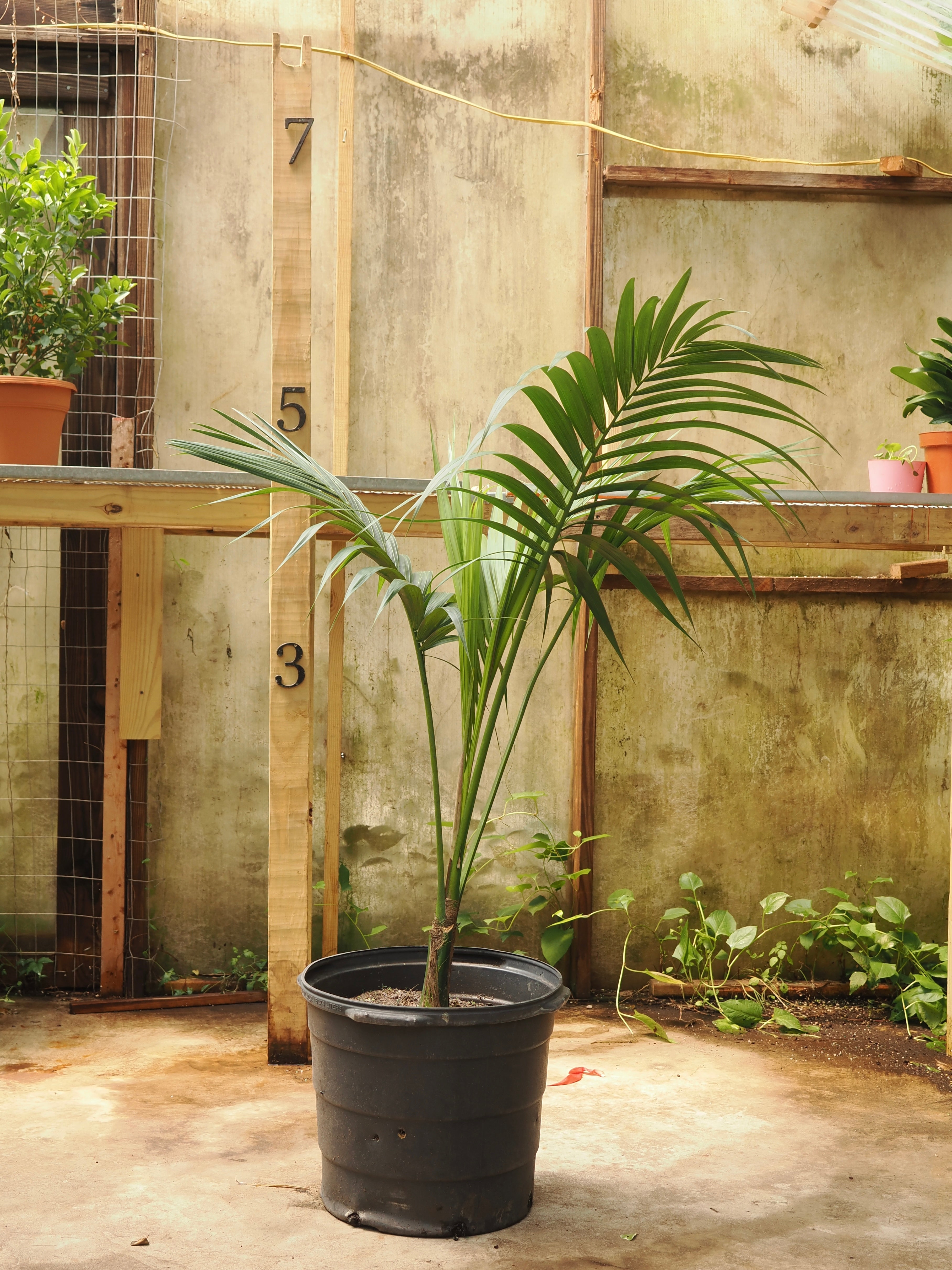
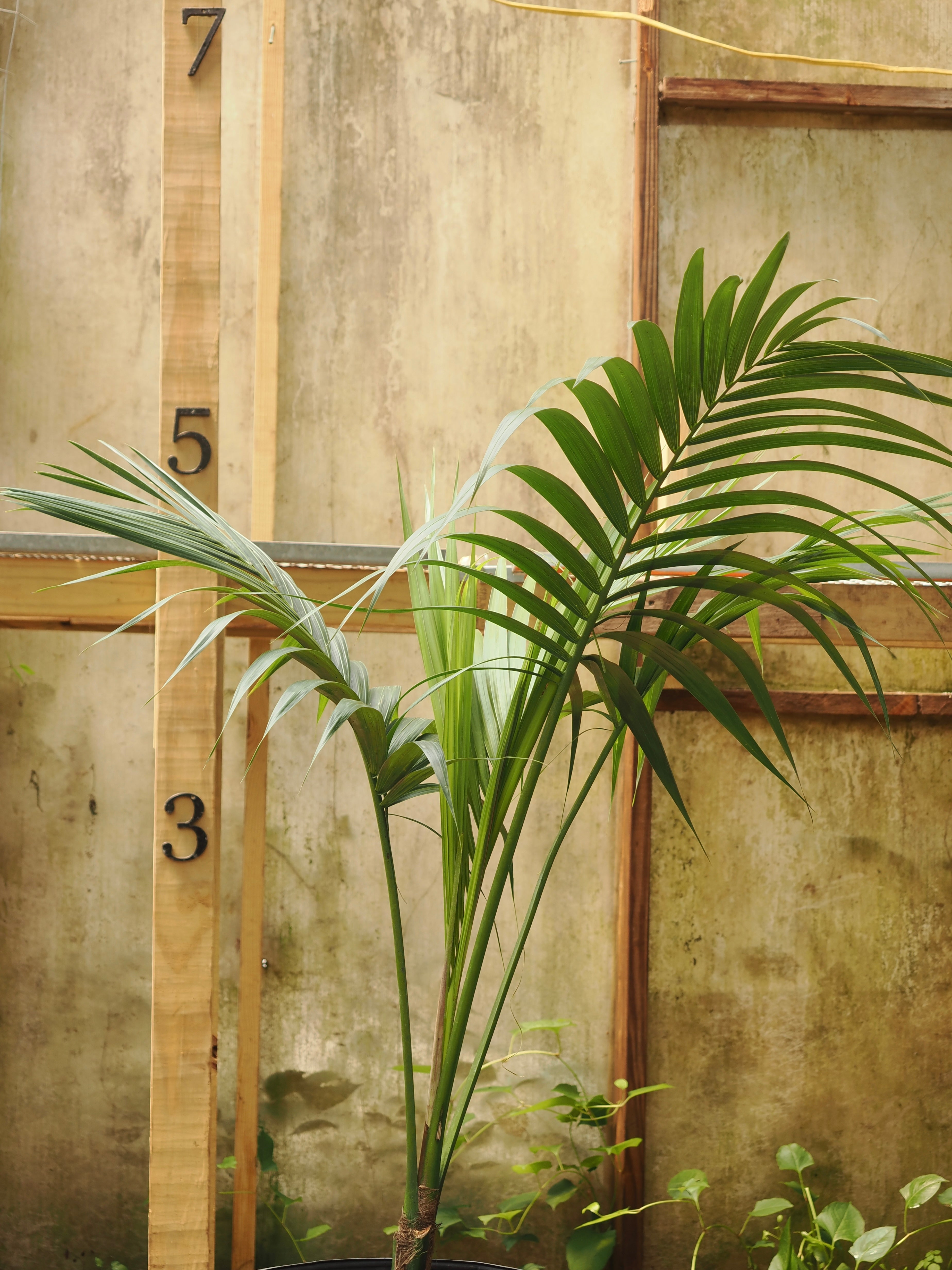
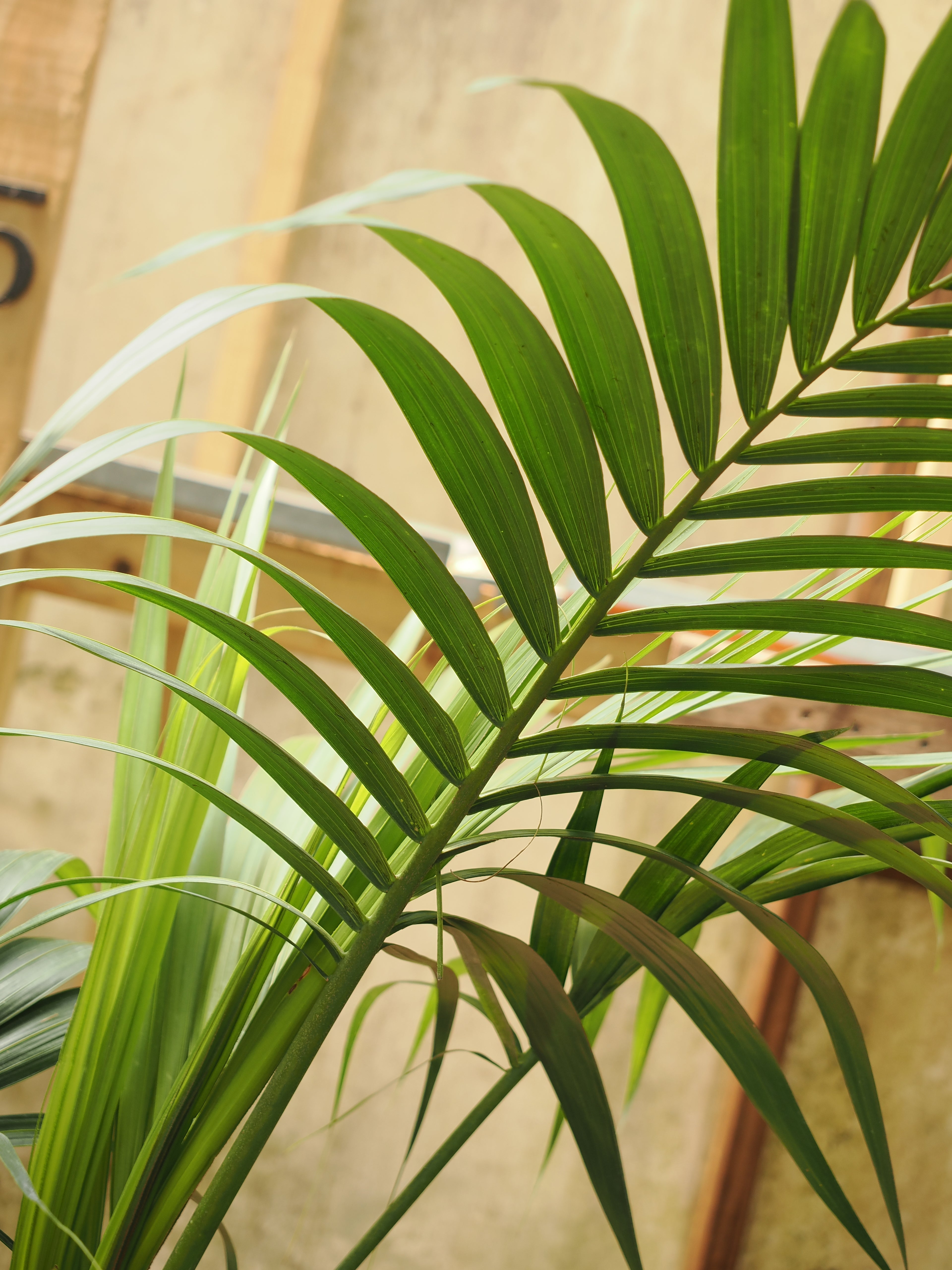
You've seen the Kentia palm a thousand times, arching over the lobby of a grand hotel as it welcomes another round of well-dressed strangers. It has dressed up rooms like that for well over a century, and the reason is wonderfully practical: it handles the low light and dry air of indoor life better than almost any other palm. Its slender green fronds arch outward from a slim trunk, bringing height and a soft, tropical calm without crowding the floor. Native to Lord Howe Island off the coast of Australia, the kentia palm grows slowly, around 1 to 2 feet a year, eventually reaching up to 10 feet (3 m) indoors.
For all its old-world glamour, the kentia palm is refreshingly easy to live with, forgiving the odd missed watering and staying content in spots where fussier palms would sulk. That mix of grandeur and good manners is why it works just as well in a bright living room as it does in a softly lit hallway. If you'd like to see the exact fullness and shape of yours before it arrives, we can walk you through the greenhouse on a live video call and show you the plant you're getting.
Care
Is the kentia palm a good indoor plant?
The kentia palm is among the easiest big palms to keep indoors, which is exactly why it turns up in so many hotels and offices. It tolerates lower light and average household humidity that most palms can't, so kentia palm care mostly comes down to a decent spot and a light touch with the watering can.
Do kentia palms like sun or shade?
Your kentia palm is happiest in bright, indirect light, though it copes with shadier corners better than nearly any other palm. Keep it out of harsh direct sun, which can scorch the fronds, so a filtered window or a bright spot set back from the glass suits it best.
How often should you water a kentia palm?
Water your kentia palm when the top 2 to 3 inches of soil feel dry, roughly every couple of weeks, and always in a pot with good drainage. It's forgiving if you forget now and then, but it dislikes soggy soil, so if the fronds start to yellow, that's your cue to water less.
Do kentia palms like to be misted?
Kentia palms handle average indoor humidity happily, so they don't need misting to thrive. That said, in very dry air, especially in winter, an occasional misting or a nearby pebble tray keeps the fronds looking fresh and green.
Do you need to fertilize a kentia palm?
Since the kentia palm grows slowly, it's a light feeder that only wants a little food a couple of times through spring and summer. A balanced houseplant fertilizer is plenty, and you can skip feeding entirely over fall and winter while it rests.
How fast do kentia palms grow, and how big do they get?
Kentia palms are slow, steady growers, adding around 1 to 2 feet a year and reaching up to 10 feet (3 m) indoors over time. That unhurried pace is part of the appeal, since your kentia palm tree holds its shape for years and won't outgrow a room overnight.
Does a kentia palm need much pruning or repotting?
Happily, no, the kentia palm asks for very little upkeep on either front. You can snip off the occasional older frond once it browns, and it only needs repotting every 2 to 3 years, since it's slow-growing and doesn't mind a slightly snug pot.
Pet friendly?
Lovely news for pet households:
the ASPCA lists the kentia palm as non-toxic to dogs, cats, and horses, which makes it one of the few big statement palms you can bring home without a second thought. As with any plant, a pet eating a lot of foliage could get a mild tummy ache, so a sensible spot still helps, but there's nothing here to harm them.
Is the kentia palm safe for dogs?
Yes, the kentia palm is non-toxic to dogs, so a curious sniff or nibble won't do any harm. It's a reassuring choice if your dog likes to investigate the greenery, though a steady, weighted pot keeps a big, waggy tail from knocking it over.
Is the kentia palm safe for cats?
Cats are safe around the kentia palm too, since the ASPCA lists it as non-toxic to felines. Those arching fronds may tempt a playful bat or two, so stand it somewhere stable and your cat and palm can happily share the room.
Factoids
What else is the kentia palm called?
The kentia palm's botanical name is Howea forsteriana, and you'll also see it sold as the thatch palm, paradise palm, or Forster sentry palm. All of these names point to the same slender, arching palm that comes from a single small island off the coast of Australia.
Why have kentia palms been popular for so long?
Kentia palms became the go-to indoor palm back in the Victorian era, filling the parlors of grand homes and palaces across England and Europe. They earned that spot by tolerating the dim light and dry air indoors, and the plant even holds the Royal Horticultural Society's Award of Garden Merit.
How long do kentia palms live?
With good care, an indoor kentia palm can be a companion for 20 years or more, and often well beyond. Its slow, steady growth is part of that longevity, so a kentia palm you bring home now can be gracing your space for decades.
Buy a kentia palm
A kentia palm gives you a room's worth of old-world grandeur in a plant that's genuinely easy to look after and safe around pets. Ours arrive full and healthy from our New Jersey greenhouse, and if you'd like to choose yours first, book a free video shopping call so we can show you around the greenhouse on camera. When you're ready, we deliver it ourselves by van and driver, with none of the shipping-box handling, and stay on hand to help with kentia palm care for as long as you own it.
Meta title (51 characters)
Kentia palm, easy indoor palm tree | Dahing Plants
Meta description (154 characters)
Meet the kentia palm, a low-light-tolerant, pet-safe indoor palm tree. Get kentia palm care tips, see yours on a free video call, and we deliver it by van.
Only At Dahing Plants
-

Hand delivered, never in a box.
Check delivery to your areaYour plant rides in our own van with our own driver, and we carry it straight to the spot you picked. It never sits in a shipping box or gets handed to a courier. Delivery speed depends on where you live, so you'll see your estimate at checkout.
-

Our own greenhouse, that's as fresh as it gets.
Book A CallThat local plant shop you've got bookmarked probably bought their plants from us. Order here and you skip the middleman, buying straight from the greenhouse where our team has looked after your plant since it arrived. You can even meet your exact plant on a free video call before you buy.
-

Exclusive HUGE size that only we carry
Shop Our Tallest PlantsMost shops stop around 5 or 6 feet and call that extra large. We grow and deliver trees and palms up to 10 feet. So when you say you want to make a statement, you get a real one, not someone else's idea of "big."


