


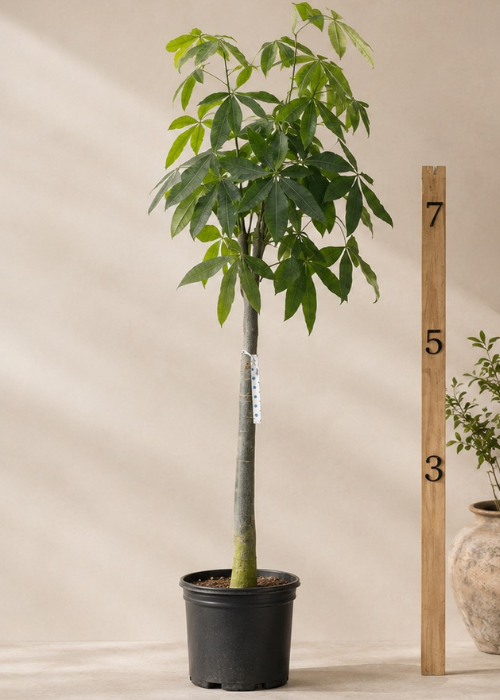


Giant Money Tree Stump
- Regular price
-
$1,850.00 - Regular price
-
- Sale price
-
$1,850.00

Alternatively, you can TEXT (609)-968-7063 for the same help.


All planters are the correct size fit for your plant & will be set up for optimal plant growth.
Couldn't load pickup availability
Check Delivery Options (By Zipcode)

Product Details
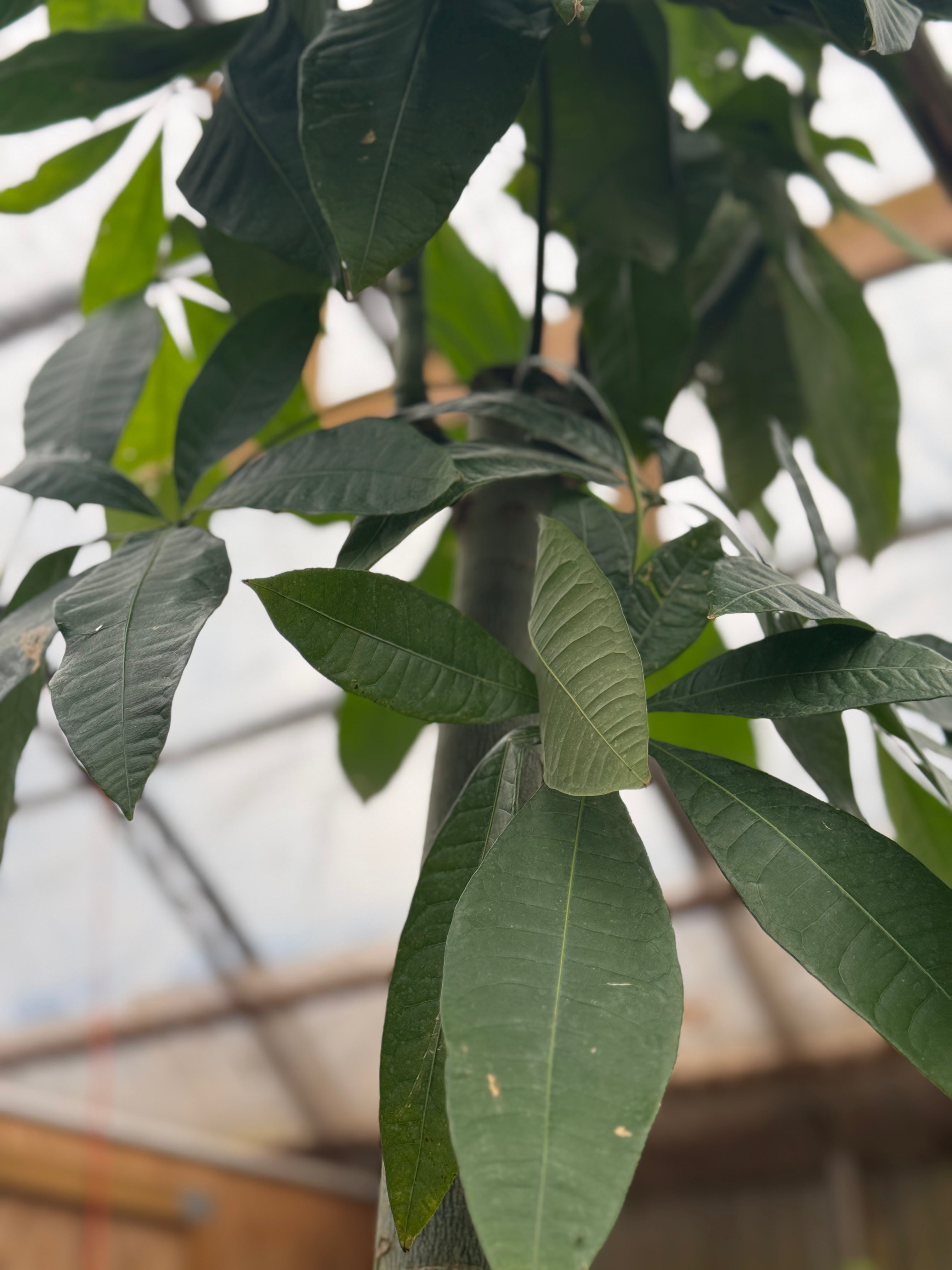
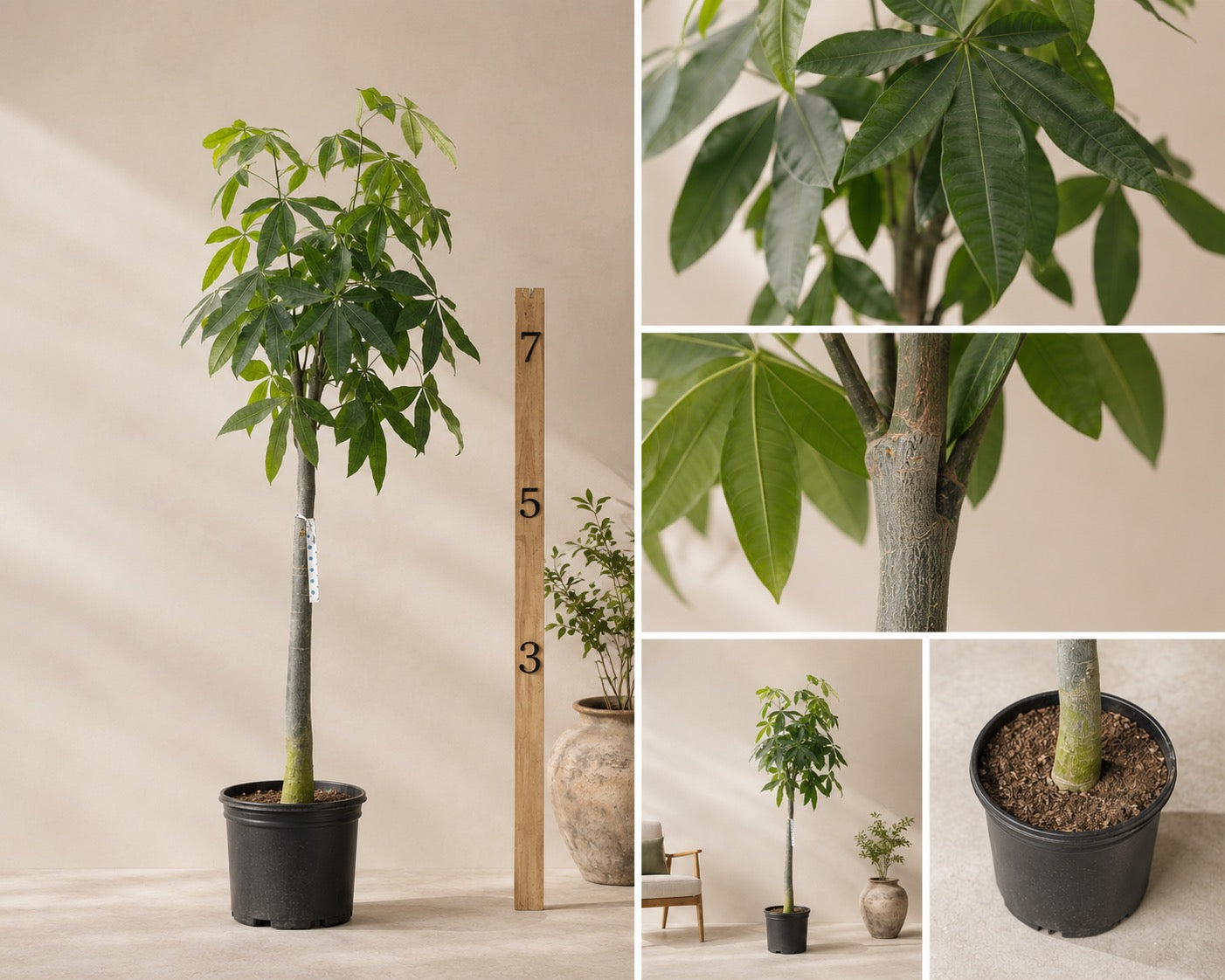
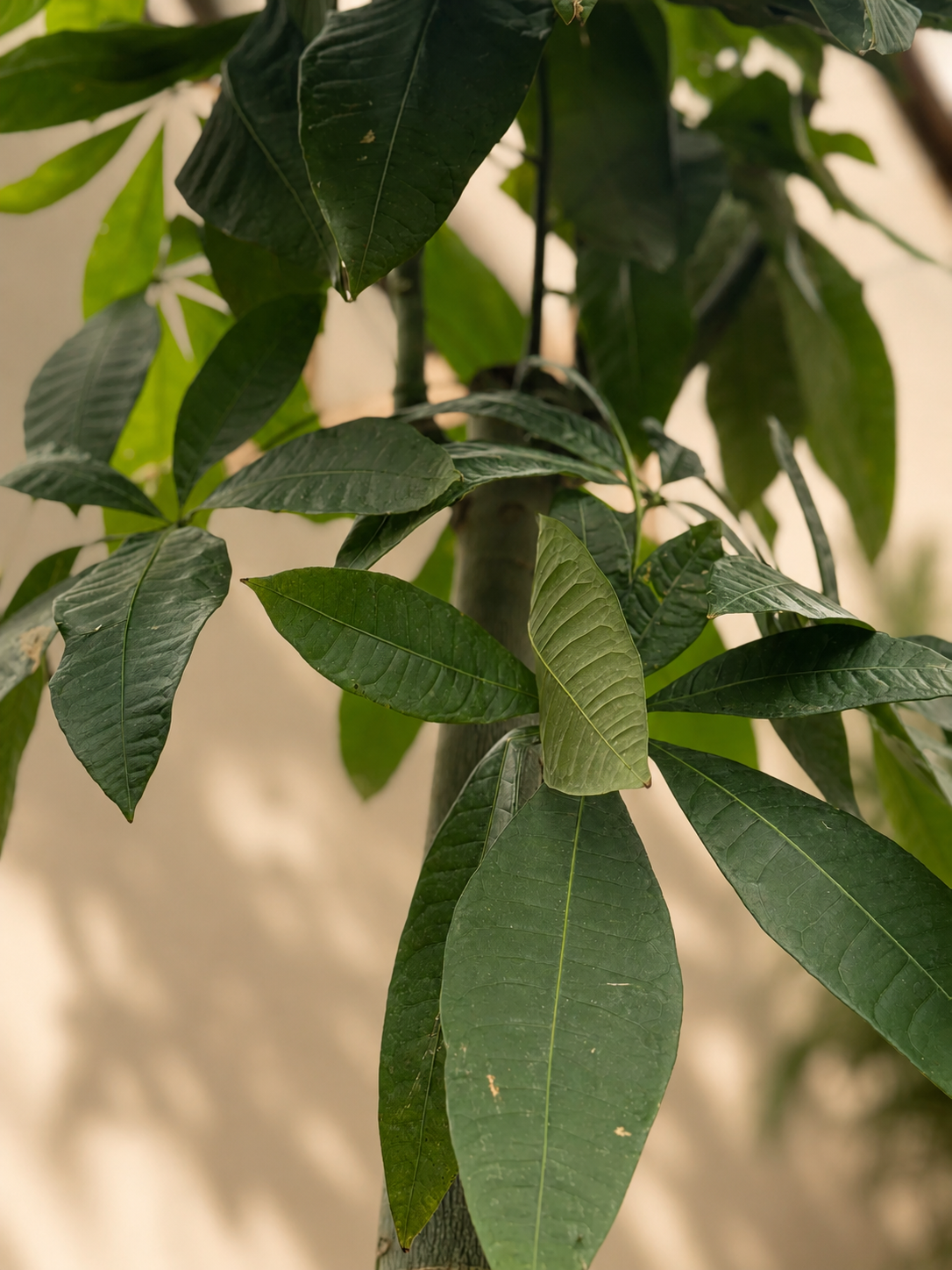
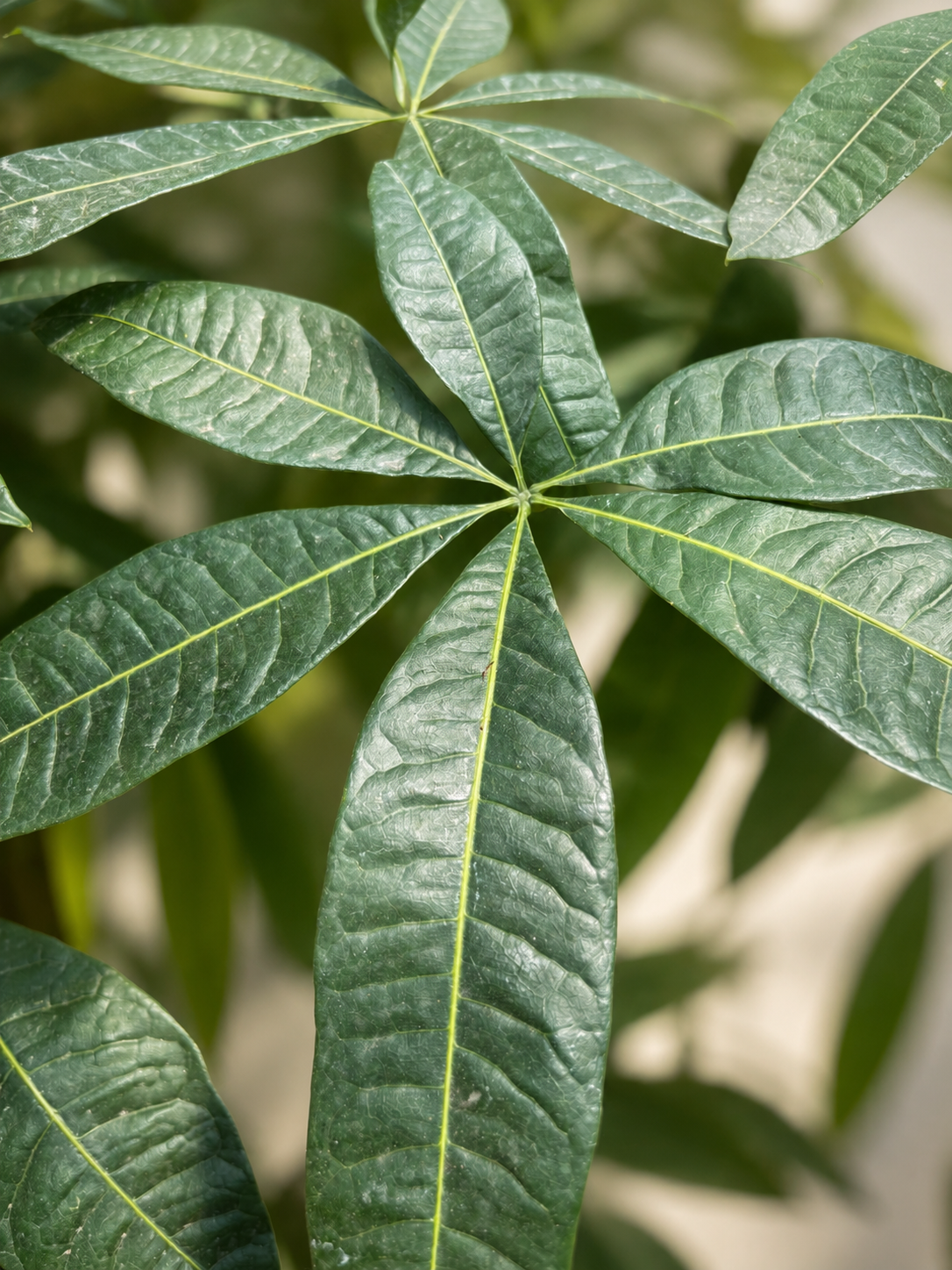
Money Tree (Pachira Aquatica)
Description
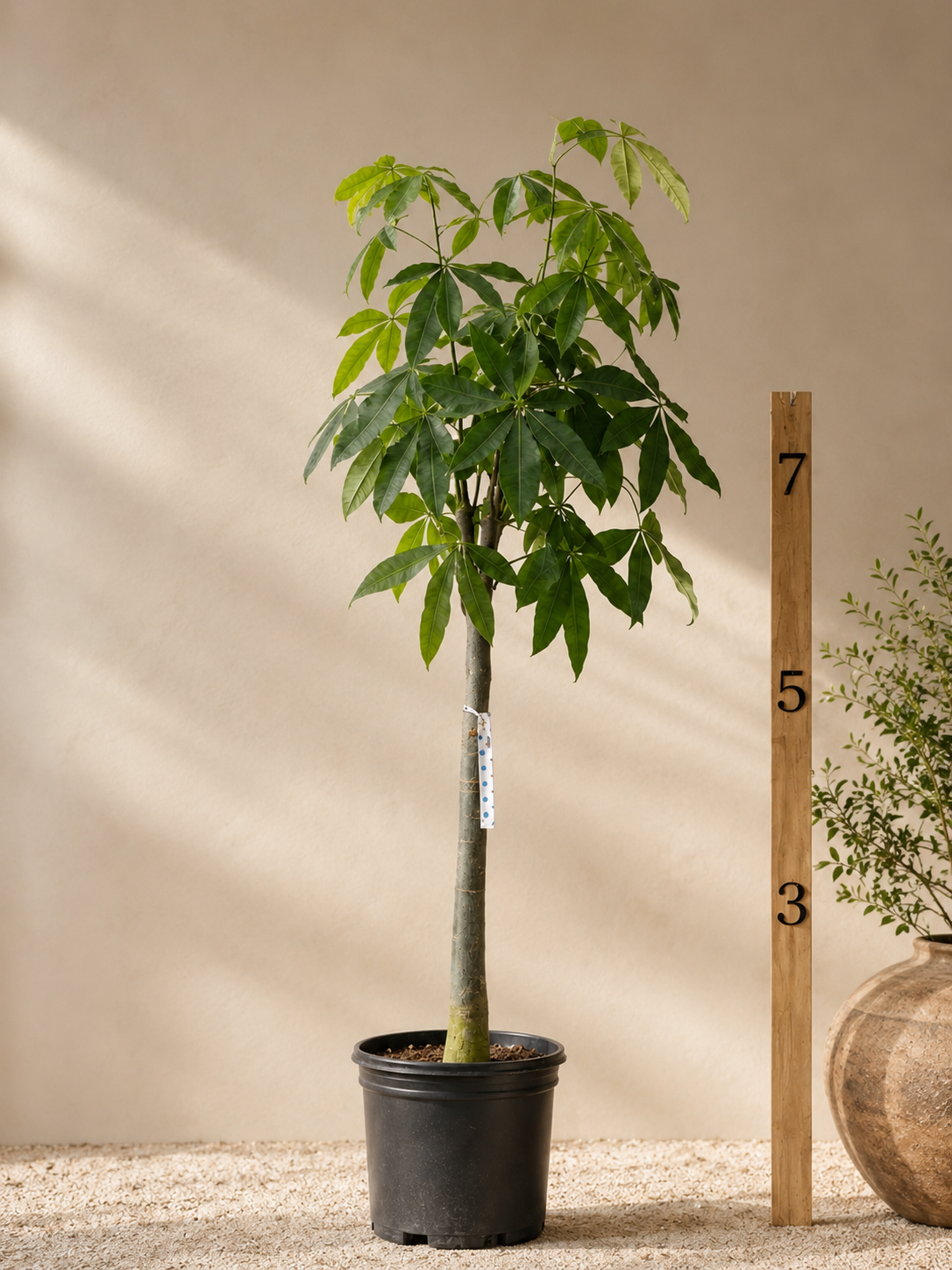
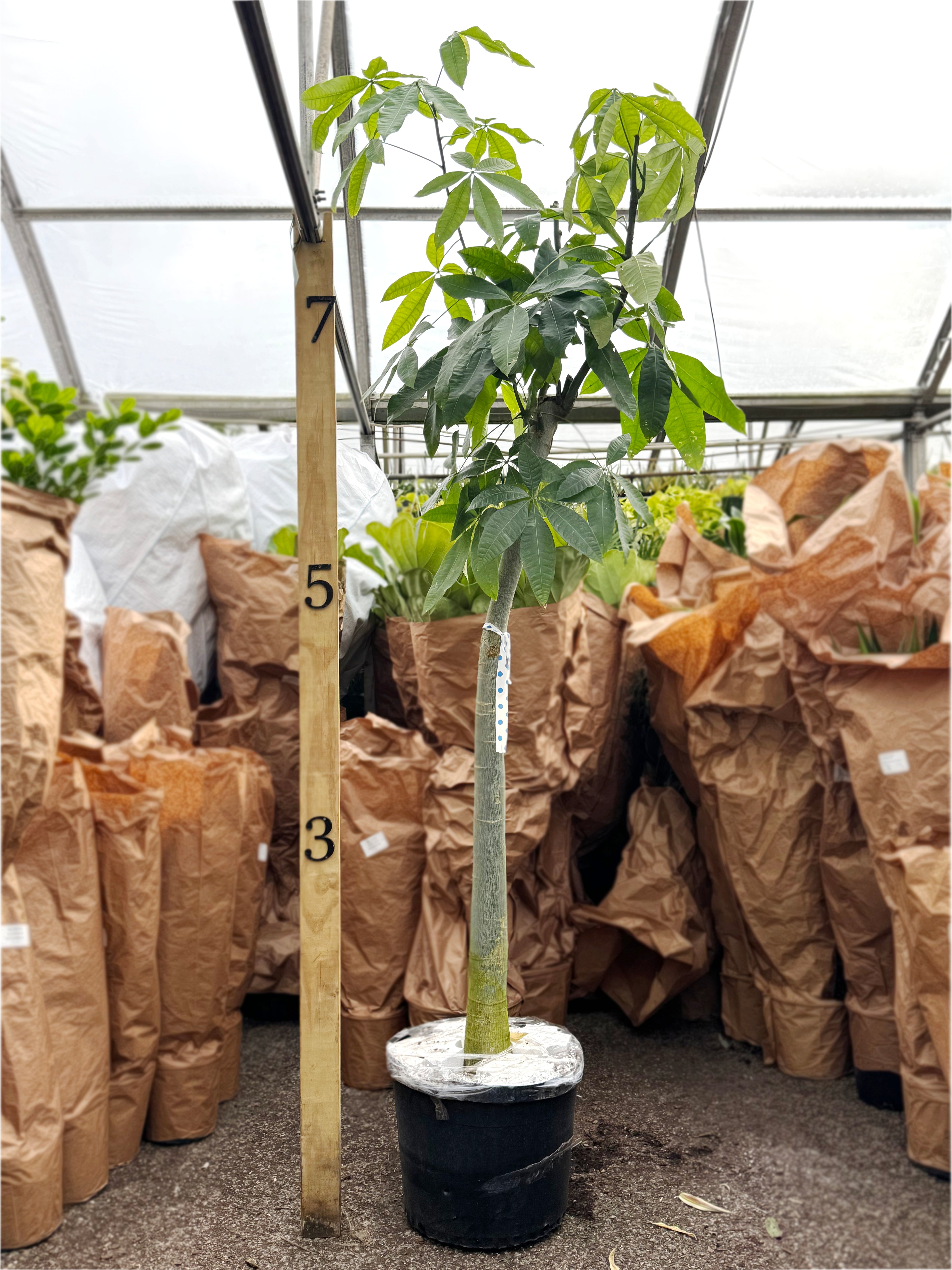
Good things come to those who don't wait - and this Money Tree is living proof. She's already tall, full, and ready to move in, which feels appropriately lucky for a plant with her reputation.
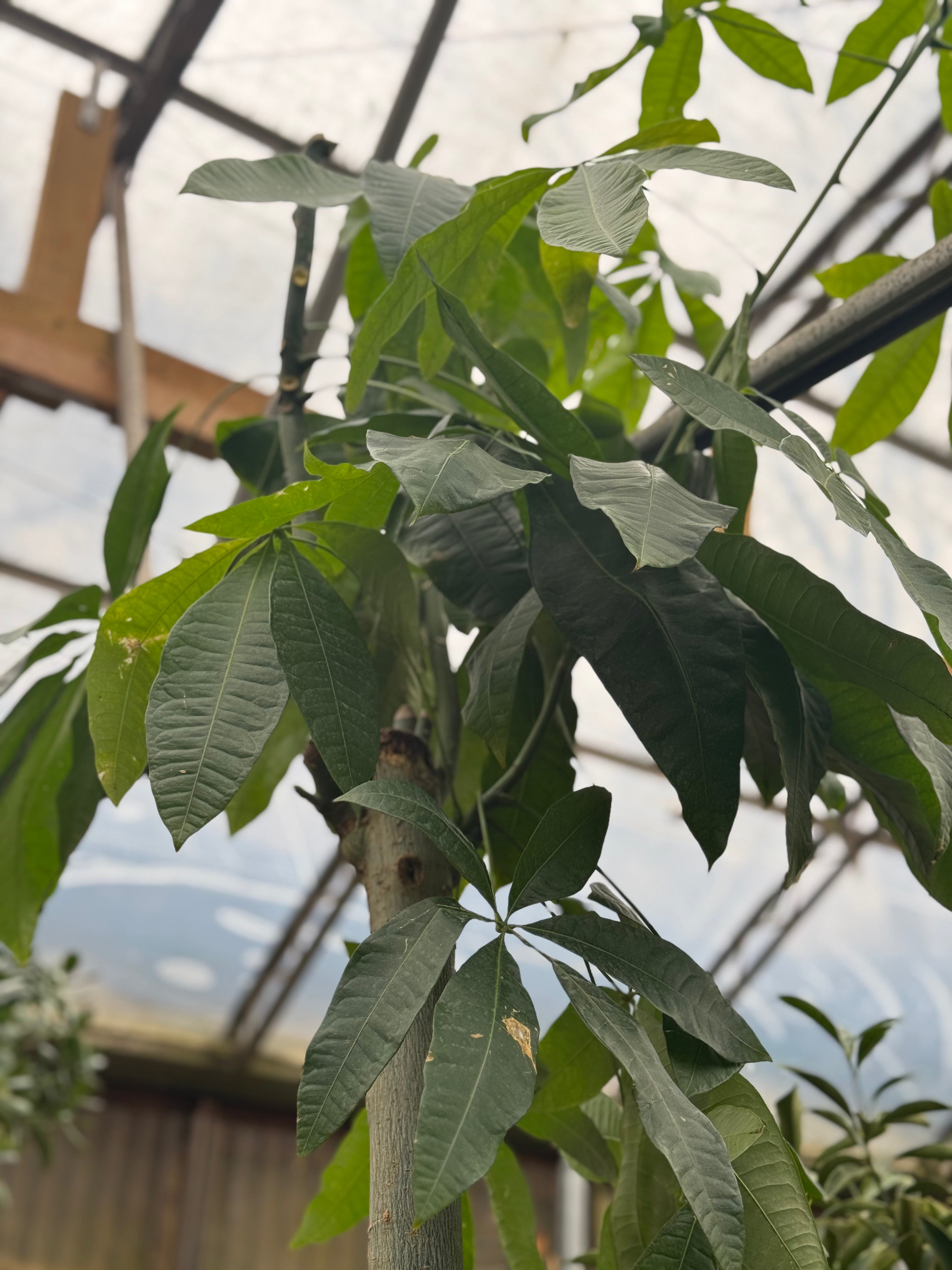
This one-off Pachira Aquatica (although you can call her a Money Tree), swoops into your room with a braided trunk, and canopy of glossy, palm-shaped leaves. Native to tropical wetlands from Mexico through South America, she's the kind of statement piece that tells people you’ve got taste. Indoors, she stays manageable at 3-11 feet, and this large Money Tree is already well into that range.
She's also one of the rare statement plants that's genuinely pet-friendly. Cats, dogs, and the Money Tree get along just fine.
One plant. One home.
Whoever takes her home gets to make that statement without the years of slow growth to get there. Book a live video call to meet her before someone else does, and then you can get the perfect spot ready for her.
How much light does a Money Tree need?
Pachira aquatica does best in bright, indirect light near a north or east-facing window. She'll tolerate lower light, though growth slows and the canopy gets a little leggy over time. Direct sun through glass can scorch those gorgeous glossy leaves, so filtered light is her preference.
How often should you water a Money Tree?
Water when the top of the soil has dried out, then water thoroughly and empty the saucer. Despite her swampy origins, hMoney Tree stump care comes down to one rule: overwatering is a bigger risk than letting her dry out slightly between drinks. In winter, reduce frequency and let her dry a little more before the next watering.
What fertilizer does a Money Tree need?
A balanced liquid fertilizer every two to four weeks during spring through early autumn, at the strength recommended on the label. Skip feeding entirely in winter when her growth slows down. She responds well to regular feeding in the growing season, just don't overdo it.
What temperature does a Money Tree like?
She's happiest between 65-75°F (18-24°C) and handles typical indoor conditions well. Keep her away from cold drafts, radiators, and air conditioning vents - sudden temperature swings are unwelcome. She's not frost-tolerant, so below 50°F (10°C) is too cold.
Does a Money Tree like humidity?
Moderate to high humidity suits her well, though she adapts to average indoor levels. In very dry air, a pebble tray or occasional misting helps prevent brown leaf edges. Kitchens and bathrooms with natural humidity work particularly well for her.
How big does a Money Tree get indoors?
A big money tree typically reaches 3-8 feet tall with good care. This specimen is already well on her way. In her native tropical habitat she grows into a full-sized tree reaching 60 feet, but that's not something your ceiling needs to worry about.
How fast does a Money Tree grow?
Under good conditions, she can put on around 20 inches per year - which makes her one of the faster-growing indoor trees. A mature specimen like this one already has years of growth behind her, which is exactly what makes her worth snapping up.
Is a Money Tree pet-friendly?
Pachira aquatica is non-toxic to both cats and dogs, making her one of the few large statement plants that pet owners can place freely around the home. Eating large amounts of any plant can cause mild stomach upset, so keeping her reasonably out of reach is still sensible - but she won't cause serious harm.
Is a Money Tree safe for cats?
Pachira aquatica money trees are considered non-toxic to cats by the ASPCA. Worth noting: several other plants go by the name "money plant" - jade plant and pothos among them - and those are toxic to cats. This one, the true money tree, is the safe option.
Is a Money Tree safe for dogs?
Pachira aquatica is non-toxic to dogs. Eating significant amounts of foliage might occasionally cause mild digestive upset, so if your dog has a chewing habit, keep an eye on things and call your vet if symptoms persist.
Only At Dahing Plants
-

Hand delivered, never in a box.
Check delivery to your areaYour plant rides in our own van with our own driver, and we carry it straight to the spot you picked. It never sits in a shipping box or gets handed to a courier. Delivery speed depends on where you live, so you'll see your estimate at checkout.
-

Our own greenhouse, that's as fresh as it gets.
Book A CallThat local plant shop you've got bookmarked probably bought their plants from us. Order here and you skip the middleman, buying straight from the greenhouse where our team has looked after your plant since it arrived. You can even meet your exact plant on a free video call before you buy.
-

Exclusive HUGE size that only we carry
Shop Our Tallest PlantsMost shops stop around 5 or 6 feet and call that extra large. We grow and deliver trees and palms up to 10 feet. So when you say you want to make a statement, you get a real one, not someone else's idea of "big."


